The EU–India trade deal is done. Here is what to prepare before it takes effect
After almost two decades of on and off talks, the European Union and India concluded negotiations on a free trade agreement on 27 January 2026, at the 16th EU–India Summit. Commission President Ursula von der Leyen called it the "mother of all trade deals". It is not yet in force.
Where it stands
Talks began in 2007, stalled in 2013 and were relaunched in 2022. In September 2026 the European Commission sent its proposals for signature to the Council. The remaining steps are Council approval, signature, consent by the European Parliament, the Council's final decision and ratification by India. Indian press reports have pointed to a signing in December 2026, but no date has been confirmed officially.
What the EU will open
- The EU will open about 97% of its tariff lines, covering 99.5% of India's exports by value.
- About 70% of tariff lines, covering roughly 91% of Indian exports, go to zero as soon as the agreement takes effect. Most of the rest phase out over three to five years.
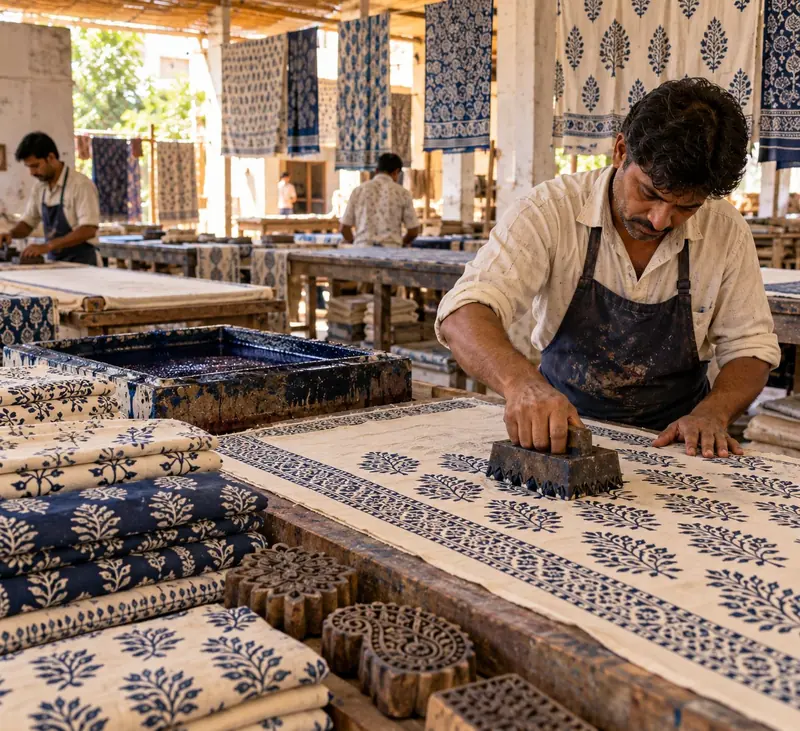
- Textiles and clothing (EU duties of up to 12%), leather (up to 17%), and many marine products (up to 26%) are among the biggest winners.
What stays protected
The EU will keep its tariffs on beef, sugar, rice, chicken, milk powders, honey, bananas, soft wheat, garlic and ethanol. EU buyers of Indian rice and sugar should not expect any change. The EU's carbon border charge (CBAM) on steel, aluminium and other heavy goods will also continue to apply.
How EU buyers can prepare
- Map which of your Indian products fall into the immediate zero duty group and which phase in.
- Ask suppliers now whether their products will meet the rules of origin, particularly garments made from imported yarn or fabric.
- Write contracts so that duty savings can be shared once the agreement applies, rather than renegotiating later.
We will cover the final text in the Trade Letter once the agreement is signed. Subscribe to receive it.
Sources
- European Commission, The EU–India trade agreement (updated September 2026)
- SCC Online, India–EU Free Trade Agreement explained
- Business Today, India–EU FTA: boost for textiles and leather
- India Briefing, India FTA tracker 2026
This article is general information, not legal, tax or customs advice. Trade rules change often, so confirm the position for your product with your customs broker before you ship.
The SRV Trade Letter
A short monthly note on buying from India: prices, supplier news, rule changes and what we see on the ground. Read by importers, brands and procurement teams.