One year of India's trade agreement with Switzerland, Norway, Iceland and Liechtenstein
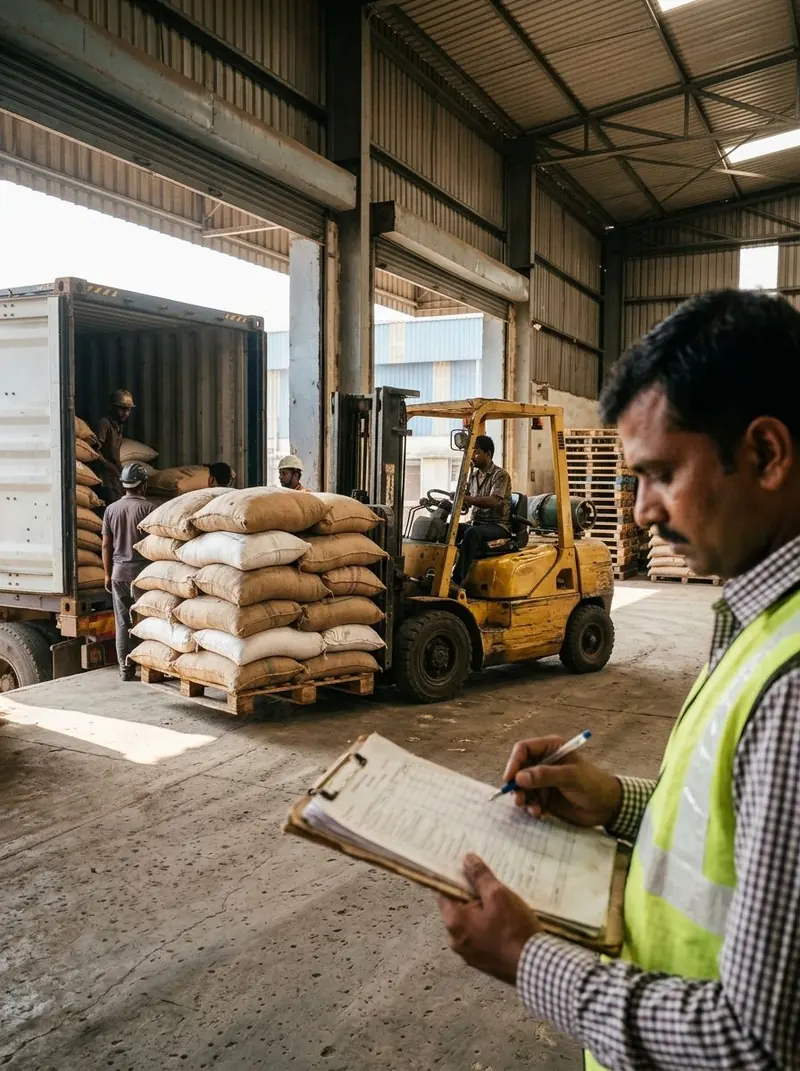
The Trade and Economic Partnership Agreement (TEPA) between India and the European Free Trade Association, made up of Switzerland, Norway, Iceland and Liechtenstein, entered into force on 1 October 2025. It was India's first trade agreement with a group of European countries.
What it offers
- The EFTA states opened 92.2% of their tariff lines, covering 99.6% of India's exports, including all non agricultural products.
- India opened 82.7% of its tariff lines, covering 95.3% of EFTA exports, while protecting dairy, soya, coal and sensitive farm products.
- EFTA states aim to increase foreign direct investment in India by US$50 billion within ten years and a further US$50 billion over the following five, with a target of one million jobs. This was the first time an Indian trade agreement included this kind of investment commitment.
The first year
Marking the anniversary, Commerce Minister Piyush Goyal said exporters had gained wider market access and highlighted growth in some product lines, but no full first year trade figures have been published. In May 2026 India's Commerce Secretary called for early resolution of some implementation issues so businesses could make full use of the agreement.
What this means for buyers
For Swiss and Norwegian importers of Indian textiles, home furnishings, processed foods and industrial goods, duty savings are available now if the goods meet the rules of origin. Ask your supplier for the correct origin documents with every shipment.
Sources
- EFTA, Joint communiqué: TEPA enters into force (1 October 2025)
- India Briefing, India–EFTA trade pact comes into effect
- Outlook Business, India seeks early resolution of EFTA implementation issues
This article is general information, not legal, tax or customs advice. Trade rules change often, so confirm the position for your product with your customs broker before you ship.
The SRV Trade Letter
A short monthly note on buying from India: prices, supplier news, rule changes and what we see on the ground. Read by importers, brands and procurement teams.