India's rice is back on world markets: what changed and what to watch
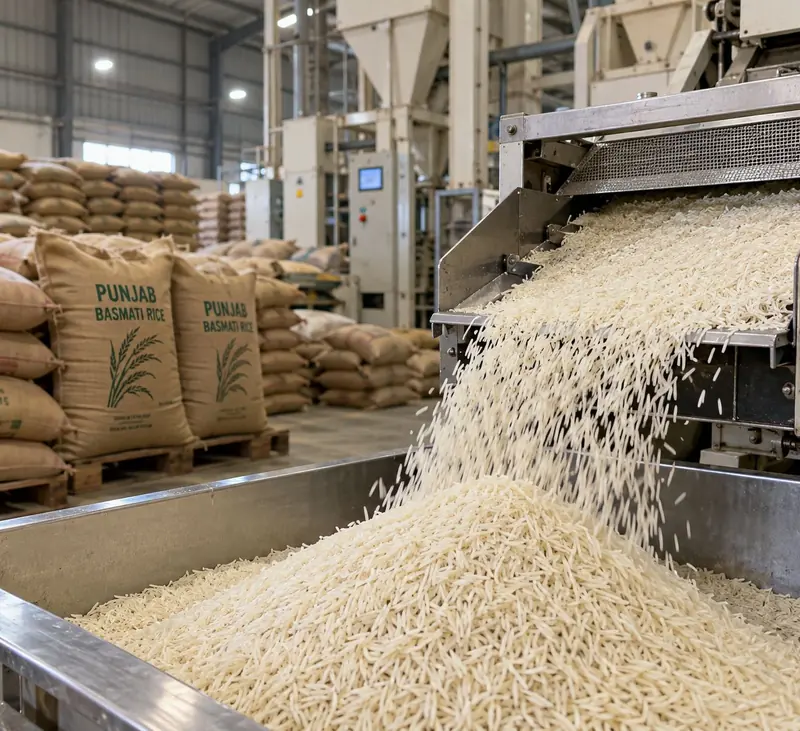
India is the world's largest rice exporter, and in 2025 it returned to near record volumes after removing the export curbs it had imposed in 2022 and 2023.
From curbs to open trade
To protect domestic supply, India banned exports of broken rice in September 2022, banned non basmati white rice in July 2023 and added duties on parboiled rice. These measures were removed step by step: the white rice ban was lifted in September 2024, the minimum export price was scrapped in October 2024, duties on parboiled rice were removed, and broken rice exports reopened in March 2025.
The result in 2025
- Total exports rose 19.4% to 21.55 million tonnes, the second highest on record after 22.3 million tonnes in 2022.
- Non basmati exports rose 25% to 15.15 million tonnes, with strong demand from Bangladesh and West African buyers such as Benin, Cameroon and Côte d'Ivoire.
- Basmati exports reached a record 6.4 million tonnes, with higher purchases from Iran, the UAE and the UK.
- Asian rice prices fell to their lowest in nearly a decade.
The trend has continued in 2026. Indian rice export earnings rose 12.9% to ₹45,739 crore in April to August 2026, compared with the same period a year earlier.
What to watch
- The monsoon and stocks. India's past curbs followed weak harvests and high food prices. A poor monsoon could bring restrictions back.
- Basmati registration. Basmati export contracts are registered with APEDA. Make sure your supplier's contract is registered before shipment.
- EU tariffs stay. Rice is one of the products the EU kept out of its new trade deal with India.
We source basmati from Punjab and Haryana and non basmati from Andhra Pradesh and eastern India. Ask for current prices.
Sources
- Reuters via MarketScreener, India's 2025 rice exports surge to near record as curbs lifted (January 2026)
- Agrospectrum India, Rice export earnings rise 13% to Rs 45,739 crore
- European Commission, The EU–India trade agreement
This article is general information, not legal, tax or customs advice. Trade rules change often, so confirm the position for your product with your customs broker before you ship.
The SRV Trade Letter
A short monthly note on buying from India: prices, supplier news, rule changes and what we see on the ground. Read by importers, brands and procurement teams.